
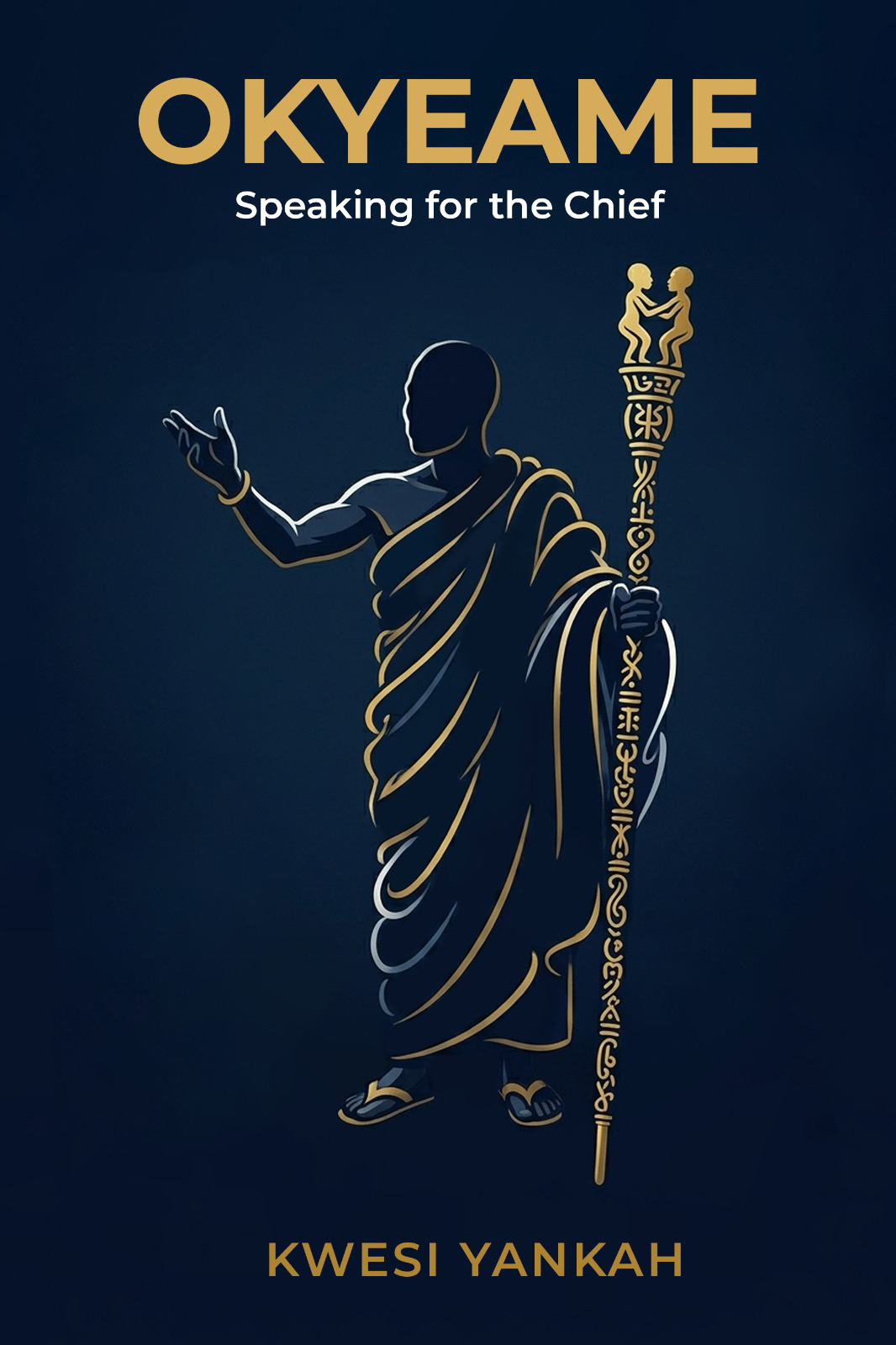
Availability: Out of Stock

SPEAKING FOR THE CHIEF

Author: Kwesi Yankah
SKU: 1749246618158

Read Only

"Speaking for the Chief" explores the specialized and culturally significant role of the linguist (often referred to as the okyeame) in traditional African, particularly Akan, political systems. The text delves into how the linguist acts as a mediator between the chief and the people, using culturally coded language such as proverbs, metaphors, and indirect speech to convey messages with authority, diplomacy, and respect. This role is not merely ceremonial—it reflects a deep understanding of language, tradition, and social structure. The work emphasizes that speaking for the chief is both an art and a responsibility. The linguist must interpret and often shape the chief's intentions, maintaining the dignity of leadership while managing the expectations of the public. Through this analysis, the text highlights how language and power are intertwined in African societies, and how traditional roles like that of the linguist demonstrate the complexity and sophistication of indigenous political communication systems. The manuscript for this project was prepared by the author at Stanford University while on a Ford Foundation fellowship. It is used as a textbook in several Universities in departments of linguistics, folklore, anthropology, media studies, comparative literature, popular culture. It was noted by the Ghana Academy of Arts and Sciences as a classic; and given the Gold Book award by the Academy in 1996.

Categories: Genre:

Description

"Speaking for the Chief" explores the specialized and culturally significant role of the linguist (often referred to as the okyeame) in traditional African, particularly Akan, political systems. The text delves into how the linguist acts as a mediator between the chief and the people, using culturally coded language such as proverbs, metaphors, and indirect speech to convey messages with authority, diplomacy, and respect. This role is not merely ceremonial—it reflects a deep understanding of language, tradition, and social structure.

The work emphasizes that speaking for the chief is both an art and a responsibility. The linguist must interpret and often shape the chief's intentions, maintaining the dignity of leadership while managing the expectations of the public. Through this analysis, the text highlights how language and power are intertwined in African societies, and how traditional roles like that of the linguist demonstrate the complexity and sophistication of indigenous political communication systems.

The manuscript for this project was prepared by the author at Stanford University while on a Ford Foundation fellowship. It is used as a textbook in several Universities in departments of linguistics, folklore, anthropology, media studies, comparative literature, popular culture. It was noted by the Ghana Academy of Arts and Sciences as a classic; and given the Gold Book award by the Academy in 1996.
Additional information

Publisher Kwesi Yankah
Published Date 2025-08-12
Language English

1 2 3 4 5