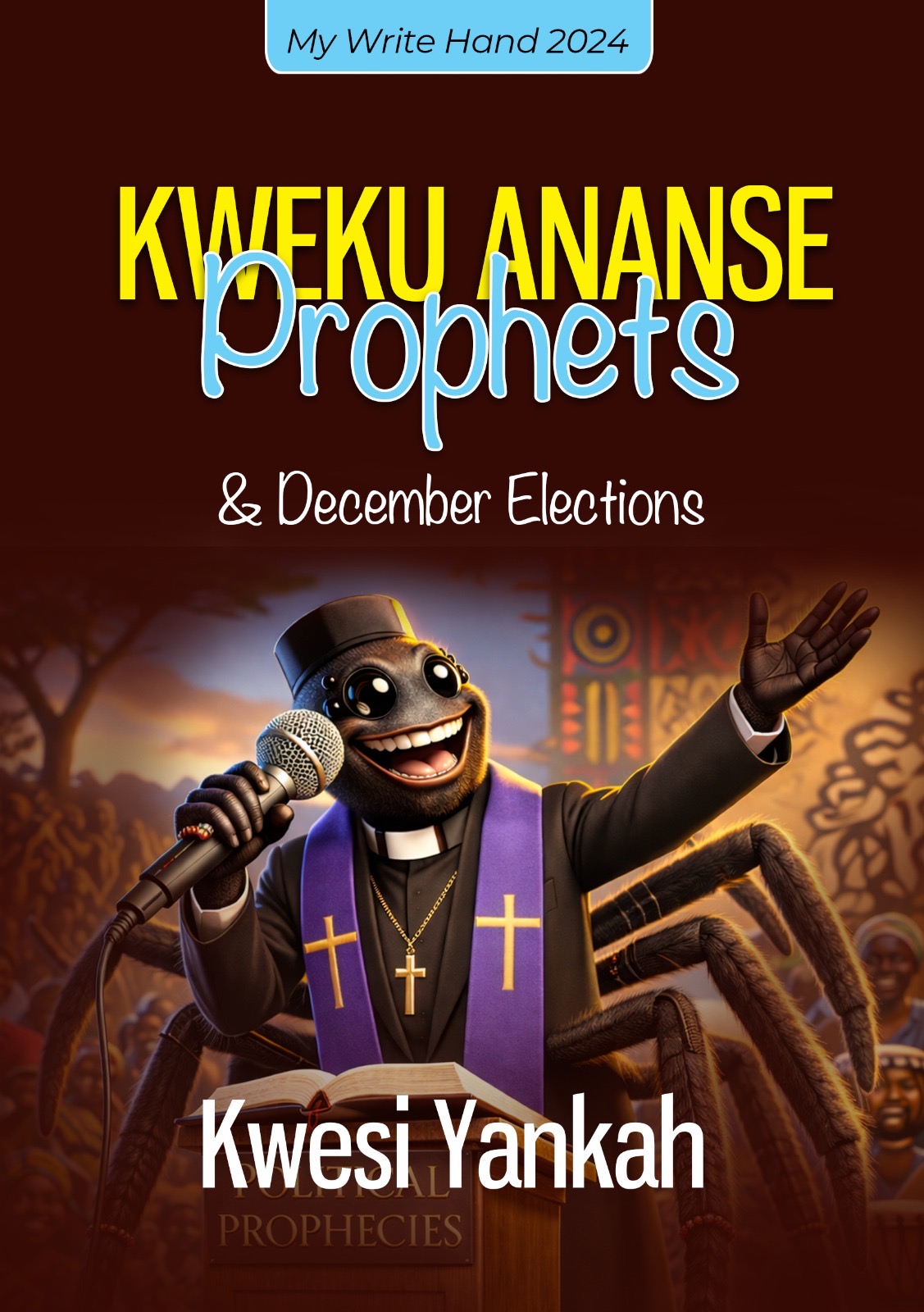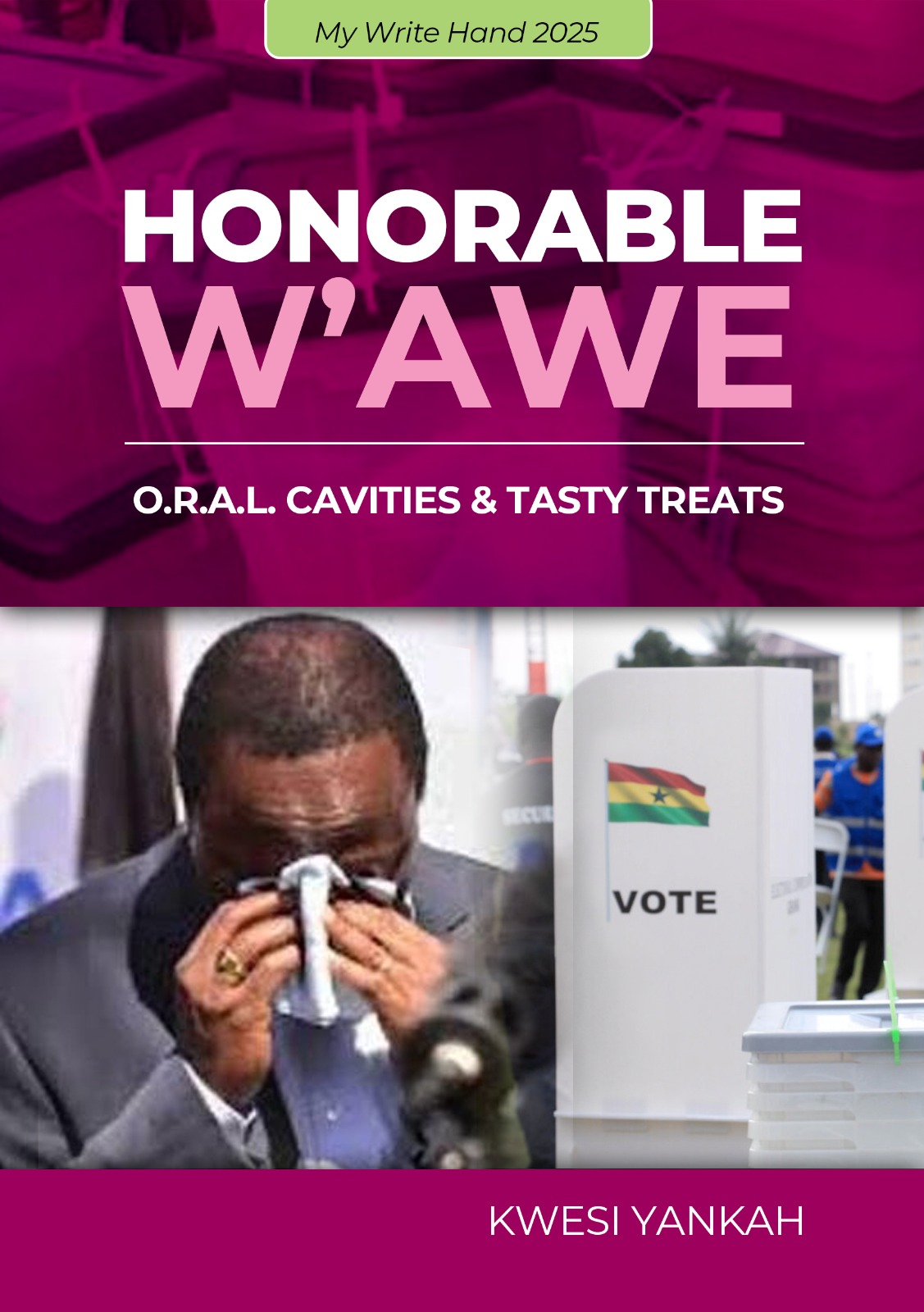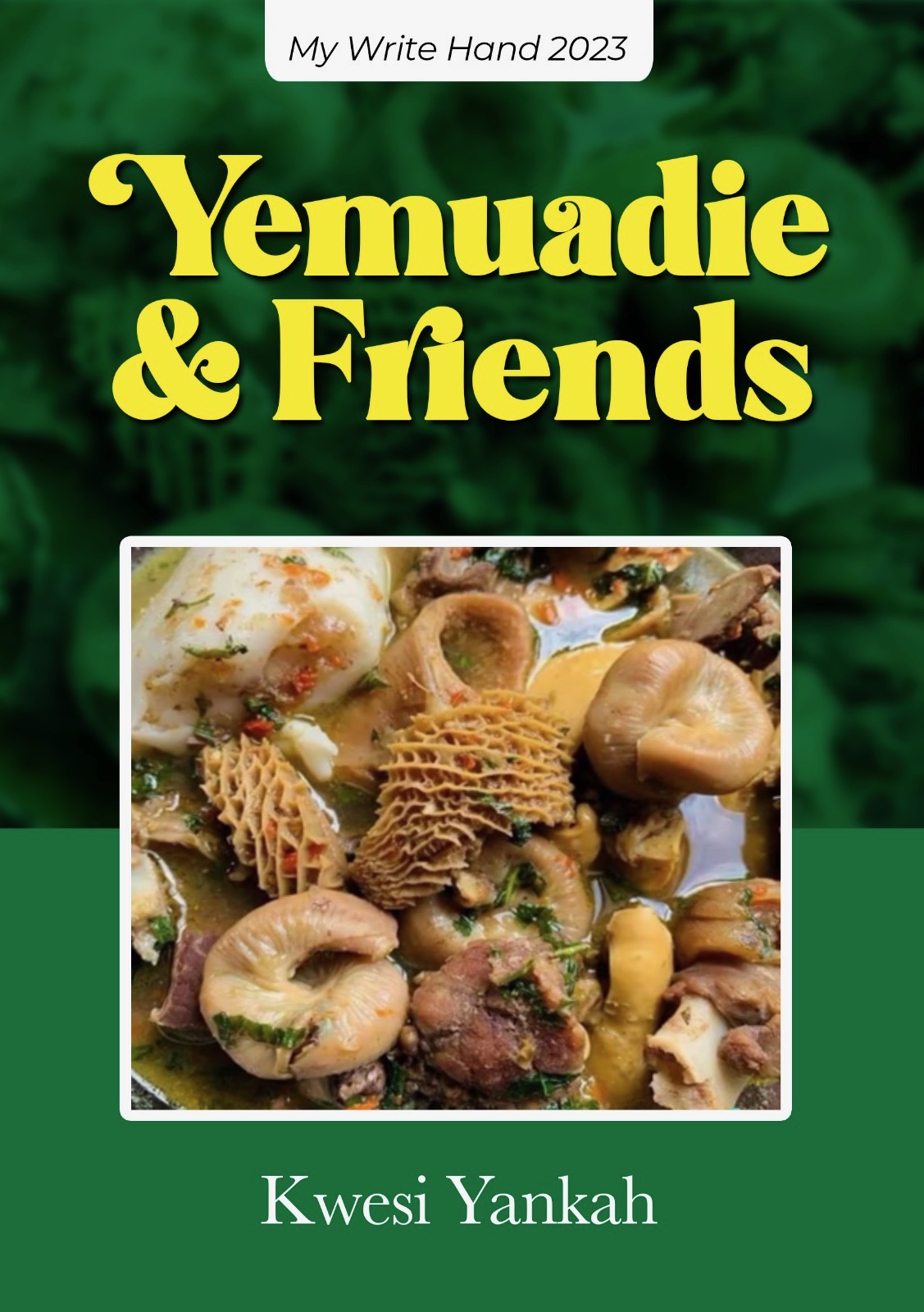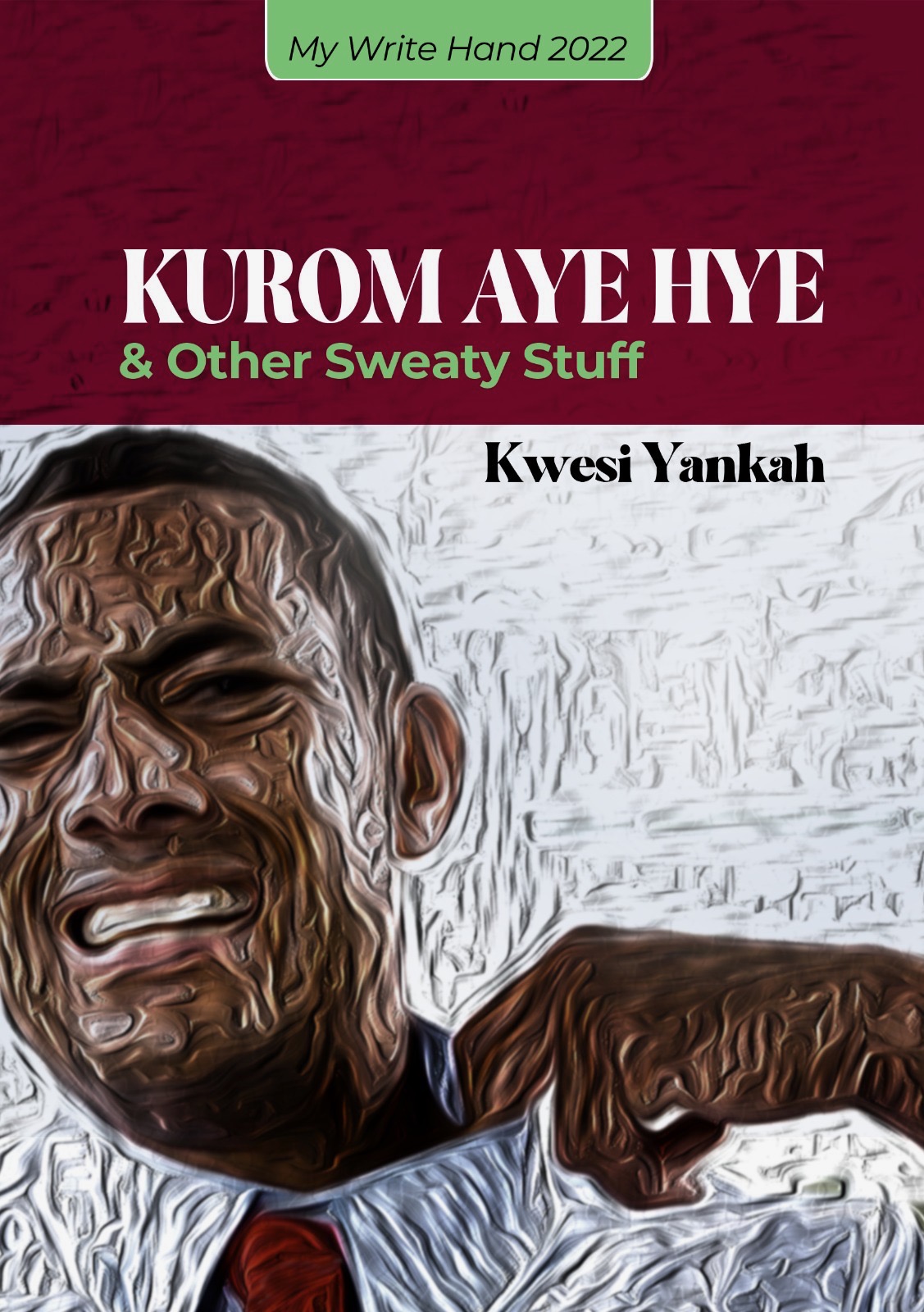
THE LAUNCH OF kwesiyankahwrites.com
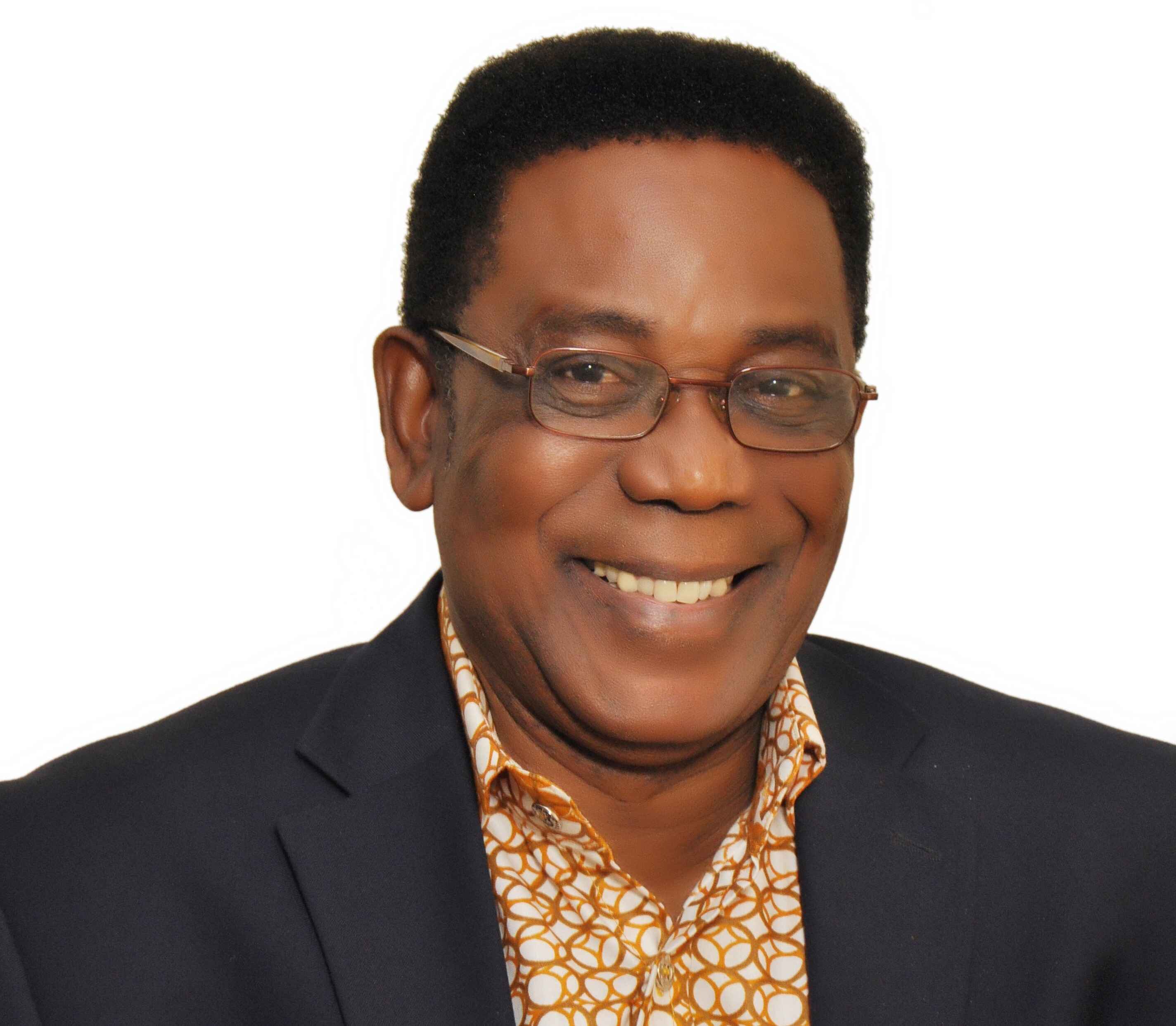
Prof Kwesi Yankah launches a Digital Library of all his works on one website www.Kwesiyankahwrites.com
Excerpts of the Keynote Speech by the President of the GJA on the launch of Kwesi Yankah Writes Digital Library.
I wonder when I will get used to public protocols in customary settings: standing on the approach of a big chief; bowing to greet at 90 degrees; kneeling before the Most High, and all other postures that simply mean, ‘you are a small fry in front of a big man.’ In my peculiar case, let me add ‘adjusting your cloth to say Happy Birthday, Otumfuo.’ In one such effort, I became an object of public ridicule. 1999, at a farewell reception held at Manhyia by Otumfuor Osei Tutu for Hon Kojo Yankah, then outgoing Ashanti Regional Minister; I had worn my ‘Christmas’ cloth, set to serially shake hands with chiefs and elders lined up at the reception grounds. I did not quite reach the third in-line, when I was reprimanded to retreat and reverse my cloth wear before further cultural breaches. The problem? Walking with a swagger to the event, I had completely forgotten to leave behind my leftee ways, and had worn my cloth exposing my left shoulder. Within seconds, I was called to order and had to comply, ending up with the clumsy looks of an Achimota boy in cloth wear. That explains the nickname Nana Otuo Serebuor, Paramount Chief of Asante Juaben, instantly gave me: ‘Forced Landing.’ Looking at one current presidential candidate, I marvel at the physical effort involved in his extraordinarily low bow greeting chiefs, and keep wondering if his lower back column is endowed with any bones. If so, he should accept my congratulations, but need not mock at rival presidential hopefuls who could bow to chiefs in courtesy, but struggle to rise. The Walewale candidate will grow up one day, and join the club called Waist Pains! A deep bow of course signals deep respect, but let the ‘Bawu Bow’ continue even after power has been won. The culture of left-hand waves while in power must stop. As for the ceremonial stand-up to authority, it begins with the ‘obeisance’ routine as soon as Teacher steps the classroom: ‘Class stand! Obeisance,’ says the class prefect. ‘Good morning teacher, good morning friends.’ A brief stand-up salute is the norm, and reminds teachers of their authority, and the respect they command. Throughout primary school in Ehyiamu and Osenase, no pupil dared to default in those courtesies: the cane Teacher wielded was enough deterrent. Then come frequent stand-ups at church service which are procedural and signal veneration unto the Supreme Being. But this poses knee challenges if extended to a marathon stint, particularly on an empty stomach. Fatigue and hunger may set in should Pastor insist on all 8 stanzas of the Charles Wesley Hymn, dispensing no mercies upon any waist pains within. In churches where hymns are slow and dragged, you pray you survive through the last stanza. But Pastor noticing widespread unease from the slow pace, may quickly intervene to your rescue: ‘we shall now sit and sing the last two verses;’ which often triggers a collective sigh of relief almost followed by applause. The issue with churches is the blasphemy you commit if you should be seen dragging your feet or grumbling, when asked to stand in the name of the Lord. Pardonable exceptions are new arrivals; but often caught on the spot are truants and chronic absentees who have forgotten church routines, and oddly remain seated when everyone is on their feet, and keep standing when all else are seated. That anomaly turns all eyes in your direction. But it is also an act of self-betrayal, and a reminder for the ‘culprit’ to see Pastor after church, and quickly repair his battered image in the tithe register. The climax of all this is the cultural mandate to stand, not for the Supreme Being, but his mortal counterpart on earth. At funerals, woe betide you if the MC announces the arrival of a big chief and his retinue, and urges the entire gathering to be upstanding as he goes round greeting. Knowing that chiefs do not hasten to greet, but walk gently and in majesty, please reach for your Panadol medication if you have chronic waist issues. Smart mourners hesitate to rise until the great chief has come close to their section; they then stampede to their feet, straighten cloth wear and respond to royal greetings, internalizing their fury. There was one incident, however, I can never forget at a big funeral in our humble Agona neighborhood. May 2016. Being an important funeral, the Yankah brothers were in full attendance seated on the front row at the western wing, our better halves seated behind us. Having been upstanding on the arrival of a few sub chiefs, one other arrival found us dragging our feet. Consultations started among us. Is that notorious man also a chief? After further mouth-to-ear chat, our leader directed we should remain seated, for that man whom he knew very well, was a fake chieftain. Thus while the entire congregation was upstanding four rebels remained seated, as the ‘chief’ did his rounds with hand waves. Almost face to face with us, the fake chief hesitated and grudgingly bowed to us, as he hobbled to his seat somehow deflated. In Ghana’s history, there are a few known protocol breaches denigrating our Heads of State or national anthem in public. One was between John Ndebugre and Jerry Rawlings in Bawku December 1991; and a few have happened in recent times. When such breaches occur, may our Leaders not be provoked to overreact in public; they should continue their rounds ignoring the culprit; or better still, peer at the culprit with an ‘evil’ eye. kwyankah@yahoo.com
There are so many celebrations these days, made worse by a social media which invites you to send birthday wishes to people whose birth circumstances are unknown to your diary. Thus when you suspect your birthday has been forgotten, simply begin by wishing yourself a happy birthday with grinning cheeks; the social media allows that. That is often an application for more birthday wishes, since charity has already begun with your front teeth. ‘A happy birthday to me,’ is now a routine when nobody is watching. You get disappointed, however, when the few well wishes received come without ‘momo’ wallets, implying you have grinned in vain. Some anniversaries, however, are worth the smile: Radio Univers @30. The story draws listening ears: an adventure that walks you back to the genesis of democratic radio. I pick on it today because I was a pivotal player who staked it out with student heroes to berth Ghana’s 4th Republic. Thanks to the visionary vice chancellors of University of Ghana: George Benneh, followed by Ivan Addae Mensah. We were their foot soldiers: Kwesi Yankah, Legon’s ubiquitous dean of students/chair of the foundation management board; and my energetic buddy Alhaji Sidik Ahmed, station manager. Late April was earmarked to celebrate Radio Univers; and we proudly did so at the feet of Ghana’s number One Ivory Tower, reminiscing how far interactive FM has come after years of fiddling with studio toys. We were ‘school children’ in the early 1990s, playing games in the Legon studios, but unwittingly making history. That was the early stirrings of FM broadcasting taking over from short wave radio mustered by GBC 1, and GBC 2. Quietly and gingerly, we hobbled along Ghana’s constitutional democracy which was on life support. Almost at the same time, Wereko Brobby’s Radio Eye had quietly started but was shut down by Government, and their equipment seized. For the records, KNUST and UCC students using student-made transmitters were informally operating in their respective neighborhoods. Friday April 26 provided an opportunity for the lizard to jump down the iroko tree, and sing in self-praise. It was great seeing gracefully aged faces of little heroes: Alhaji Sidik Ahmed himself, Nat Adisi (Bola Ray), Sanjay Michandani, Kwame Baah Nuako, Francis Ankrah, Elvis Lawer, John Doe Samlafo, Ajoa Nyanteng, Osei Bempah, DJ Black, Evelyn Tachi, and several more: faces that in themselves told a story. I missed several faces including Opanyin Kofi Agyekum whom Radio Universe instantly catapulted to fame; Kwasi Aboagye ‘the darling boy;’ Kwasi Tieku, Felix Odartey Wellington a soothing radio presenter nicknamed ‘Carlo Wang;’ Doe Lawson; Lamisi Dabre; Shamima Muslim; but also our golden voice Kingston Aban Koranheng, the finest news reader. I remember Aban particularly for his bold critique which finetuned the naming of the station. While the name ‘Radio Universe’ I coined had been unanimously accepted, Aban raised a point of order. ‘Sir, the name you have coined for the station is great; but with all due respect, let’s drop the letter ‘e’ at the end of ‘Universe;’ and make it ‘Univers,’ for purposes of unique branding.’ Brilliant! We applauded and submitted to the young brain; the name and spelling soon stuck and sank into history. We dropped our original generic name, ‘Voice of Legon,’ in 1994 after our Vice Chancellor Benneh bought for us a 400 watt radio transmitter. We are hereby inciting readers to be angry; for the frequency we were originally given by the Frequency Allocation Board, was annoyingly hijacked by JOY FM while we were playing in the sand. FM 99.7 which has since been identified with JOY was the ideal, being centrally positioned on the radio wavelength. But our anger soon dissipated through the airwaves. We ended up with the least favorable frequency FM 105.7, almost at the last end of the dial. The turtle that created the river now lodged at the river’s bank. But we have since allowed bygones to flee, since JOY later atoned by giving big jobs to our little heroes when they finished Legon. A few memorable incidents still linger from our foundation days. First was my early fundraising efforts in buying rudimentary studio equipment ahead of the new set of broadcast equipment. A few months after inception, I had to travel to the US on a short fellowship with Northwestern University, USA. While there, an idea struck me to raise funds for the ongoing radio project, through a Ghana internet page, called ‘Okyeame’ operated by Nana Otuo Acheampong now in Ghana. Ghanaians on the east coast got excited learning of the Legon initiatives, and cooperated. In a matter of three weeks, contributions trickling in, reached almost $2000. With this huge goodwill, I bought basic studio equipment, and brought these over as excess luggage. Back to Legon, an enthusiastic body of volunteers warmly received me led by Kwame Baah Nuako who unpacked the load, and quickly assembled the equipment. This was to support a 20 watts mono transmitter gifted by UNESCO. But our new transmitter almost put us in trouble. Our station had been given license to operate within limits up to Tetteh Quarshie Circle, less than ten kilometers radius. When we got a bigger transmitter however, we got excited and brazenly began broadcasting to areas beyond limits, and we felt proud to be heard in parts of the central and volta regions. One morning, we got unusual visitors from the National Communications Authority, that came and ordered us to stop operations, since we were violating the laid down terms for experimental broadcasting, which also prohibited us from broadcasting beyond 9 pm. The interference inflamed passions among a concerned student body, that was championing the birth of press freedom. Students resolved to resist, and quietly dared anybody to come from Government, and halt the operations of Radio Univers since we were in a constitutional era, where no formal permission was needed to broadcast or start a radio station. The Vandals from Commonwealth Hall led the crusade and took turns to collectively keep vigil around the Radio station over a week, until the footsteps of NCA receded in the distance. The authorities were irked by something else. In 1995, when the University of Ghana was seeking a permanent license to operate the station, an inspection team from Government expressed worry about the absence of security on the station’s premises. It was indeed feared that, any adventurer could burst into the studio and announce a coup d’etat whether real or otherwise. The inspection team appeared worried when we said, the University was unlikely to go beyond the routine campus security apparatus, to protect the radio station. If the Rawlings Government just emerging from a revolution was jittery, it was perhaps because, the nation had gotten used to a single state-owned radio station, GBC, which could be whimsically taken over by any adventurist, to announce a military take-over as often happened. Legon stuck to its guns and refused to turn the station into a security zone. One major problem was the know-how needed to handle our new technical equipment. When we had the least technical hitch, the most we could do was to pick up the phone, and place a long distance call to Mr. Roy Parsons the manufacturer in London; Roy would give us word for word instructions on how to fix the problem. Sometimes, a break in transmission was from a mere volume control switch. Fact is the brand of transmitter was so uncommon local technical hands could not cope. When the going was tough, and there was nowhere to turn, the manufacturer would send down his assistant by the next available flight. His assistant called Tony, was an 18 year old polytechnic student. Tony would fix the issue in 15 minutes and depart by the next available plane! That was Baby Univers being celebrated as a pioneer of official FM broadcast. kwyankah@yahoo.co
My last post, ‘Awengaa’ contained two paragraphs showing the firm bond between Mother and Baby, the agency being Mother’s breastmilk. Then was my reference to a past encounter in a Ghanaian village where there was an odd substitute for mother’s breastmilk. While the feedback to ‘Awengaa’ was virtually an avalanche, I refer particularly to one which ruined my day. My words: “Our mothers were experts, diagnosing every restless cry or baby’s whimper. It could be hunger, fatigue, stress; it could also be pain from a bad touch. Yaa Nyarkoa our Mother knew it all. In several cases though, mother’s breast milk was the prescription. It was nature’s syrup and lullaby, lulling baby to sleep, sometimes with mother’s breast still in the firm grip of a sleeping baby. Though asleep, baby bounces back crying should mother stealthily draw back her nipples; baby would cry protesting the violation of toddler rights until nipple returns. The mother-baby prank continues until baby finally drifts away in sound sleep, and excess milk rolls off nature’s fountain, untapped.” “But sleeping babies could mean something else. In the late 1990s, I travelled to the Western region for a funeral, and learned more of this world. A baby was fast asleep when we arrived at the village. For how long had it slept; some three hours or more, we were told. Why that long? The horrifying truth rolled off the mother’s lips. This was a site well known for Indian hemp cultivation; and weeping babies interfering with household chores, were routinely doped to sleep. It was a widespread practice, we were told; a marijuana syrup was their lullaby. My colleague and I were dumbfounded hearing this. Tracking the social progress of such babies would be interesting. Baby drug addiction could start by default and, like child marriage, be considered normal in parts of Ghana.” Soon after my post came this unnerving response: “Hi Prof `Kwesi, I am surprised you still recall the incident of my grandson who was often drugged in childhood in place of being fed by my aunt. Unfortunately, he has grown up as a drug addicted adult, now living on the street as a mental person. How sad that he was initially able to cultivate big acres of cocoa farm and even put up a bachelor-type house for himself. Sadly, he now lives on the street, his whereabouts difficult to track.” kwyankah@yahoo.com
We were careful those days in Duakwa not to be shamed and mocked as ‘Awengaa.’ A thirty-year old man who had ‘slept’ with an under-aged girl; he was Awengaa. A forty-year old having his way with a class four girl; he was tagged, ‘Awengaa.’ He had grey hair, and the girl was only eight: Awengaa. So therefore young girls took to their heels seeing him from afar: ‘if you cross his line, he will not spare you,’ little girls would giggle, and scamper off. In some cases, the victim was really a baby, and the idiom carried a literal meaning: Awengaa: ‘a predator of crying babies.’ It was a virtual taboo, a serious cultural breach. The offender if caught would be paraded in the streets, gong gong, songs of shame and booing trailing him: ‘Waware ne ba, Akwasi,’ was the song stigmatizing the bad man: ‘he has slept with a girl young enough to be his daughter.’ The publicity was to caution the innocent one who might make an awengaa’s home, a temporary day care: ‘Look after my girl-child until I return from the farm.’ But it could also be an underage groundnut seller, retailing from house to house; an awengaa could be a regular customer. Unfortunately, the awengaa of this world may not be strange looking. It could be efienipa, who doubles as a prowler. Society expresses rage by depicting any such victim as a ‘baby:’ whose tender cry or babble tells you it’s underage, and could not possibly have given consent. She was reeling in pain crying, and you still had your way with her; you pedophile, you beast of prey! But our mothers were experts, diagnosing every restless cry or baby’s whimper. It could be hunger, fatigue, stress; it could also be pain from a bad touch. Yaa Nyakoa our Mother knew it all. In several cases though, mother’s breast milk was the prescription. It was nature’s syrup and lullaby, lulling baby to sleep, sometimes with mother’s breast still in the firm grip of a sleeping baby. Though asleep, baby bounces back crying should mother stealthily drag away her nipples; baby would cry protesting the violation of toddler rights until nipple returns. The mother-baby prank continues until baby finally drifts away in sound sleep, and excess milk rolls off nature’s fountain, untapped. But sleeping babies could mean something else. In the late 1990s I travelled to the Western region for a funeral, and learned more of this world. A baby was fast asleep when we arrived at the village. For how long had it slept; some three hours or more, we were told. Why that long? The horrifying truth rolled off the mother’s lips. This was a site well known for Indian hemp plantation; and weeping babies interfering with household chores, were routinely doped to sleep. It was a widespread practice, we were told; a marijuana syrup was their lullaby. Dr Bonnah Koomson and I were dumbfounded hearing this. Tracking the social progress of such babies would be interesting. Baby drug addiction could start by default and, like child marriage, be considered normal in parts of Ghana. April 1, when news broke of a 12 year-old girl in marital engagement with a virtual ‘grandfather,’ the nation dramatized its shock in the spirit of April 1st. We pretended this was news, but it was not. It was national hypocrisy at work; yet child welfare foundations and think tanks stampeded to put their protests on record, hoping to make the six o’clock news. ‘Tofiakwa!’ ‘How the hell!’ ‘This is an abomination!’. ‘Silly customary rites!’ All that was April theatre. But we gave the game away when choreographers forgot to fix the girl’s age before the public drama started. They could at least have advised her age not to dance back and forth. We should have consulted the Black Satellites of old, on how to memorize your soccer age without tongue slips. As things stood, the age of our customary bride kept changing by the day, and could by this Christmas hit the age of her spiritual spouse. Yet the April ceremony that went viral, was generally understood by all conversant with marriage rites. Commentaries by spokespersons and intruding voices of well-wishers during the ceremony were instructive and a great learning experience. The ‘tear rubber’ repeatedly chanted at the ceremony, had only one meaning on earth: a new bride, a brand new car with rubber seat-covers. Note however the pieces of advice given the bride at inventory taking of gifts. Traditional cloth underwear, ankle beads, and sturdy waist beads. The counseling spokesperson, however, subsequently did not mince words: ‘The big beads are for the old man’s pleasure; the old man should play romance today,’ was the ritual injunction. The cat was out of the bag, but scary considering the girl’s age! The entire ceremony was probably a betrothal, and should give no cause for alarm. But do spirits only play romance and walk away? Eventually, an intrusive voice put the matter to rest, using a vulgar directive I cannot print here. But, Ghanaians, we are hypocrites! We point accusing fingers in the single example gone viral; but ingredients in the famous April ceremony are on display daily in our great nation. But our lips are sealed. Check the records. Child marriage is rampant and happens next door daily. It is the lowest reported crime in Ghana. According to national statistics, nearly 80,000 girls in Ghana today are in forced marriage below 18 and living together with a man. Out of the number, 25,000 are of JHS age, 12 to 14 years. Most are given away out of poverty. Some are above 18 at the SHS level, but the circumstances are pathetic. The Community E Block Day school has not helped the vulnerable. Girls who are stranded without nearby boarding facilities fall prey to pedophiles; they are sometimes compelled to live-in with neighborhood landlords several times above their age. This has led to premature pregnancies and fatherless babies particularly in rural community day schools. But lips are sealed. These schools should be turned into boarding facilities to protect our girls. But we have all connived as a nation. Listen to parts of a popular song we have enjoyed without complaining. It was put out by a celebrity who was once MUSIGA President. The title, Aboa konkontimaa (the tadpole). This one is underaged, I know she is But she is my choice She has stripped before me But it’s hard to look Aboa konkontima, the tadpole, will grow up And turn into a frog. We hailed this song, and could have made it song of the year. Let’s bow our heads in shame, heal our collective conscience, and cast not the first stone at Nungua. kwyankah@yahoo.com
In the past three weeks, fear and panic have gripped parts of Ghana. A legend of vanishing male genitals has been circulating, with a number of arrests made by the police of suspects. The dreaded spots so far are Kasoa, Awutu Senya, and parts of Eastern region. In all cases, though, no missing genitals have been proven, and suspected robbers or magicians have been set free. To older Ghanaians this should be a familiar story. Its closest precedent was July-August 1997, when the spooky tale spread across the nation leading to mob attacks and lynching in crowded places. While this lasted, cultural norms involving bodily touch were frozen. Even the bravest among men would not take chances; hands were cupped around flaps, and protocol handshakes were sacrificed for fear of genital loss. The possible causes? There had been an influx of immigrants from the subregion, and the fear mongering was perhaps an ‘aliens compliance order,’ cleverly crafted to free immigrant jobs for Ghanaians. But it could also be real black magic at work. At the time this happened, my pen was alive. Listen to my right hand in July 1997. “Not the first time human body parts have been felt missing. Dentists are the first offenders after they have applied local anesthesia to your gum, and asked you to wait at the reception for your turn, which never comes. The tooth extraction over, not only is your tooth gone. Anesthesia makes you feel your lips were extracted together with your tooth, and a momentary search for your lips may begin. For those not quite used to wintry weather, a five minutes exposure in winter often ‘disappears’ your ears, and an occasional check with a mirror or hand touch could even be advised by the weather man. Who knows if disobedience may lead to ear loss. But it is not only body parts. The Kattah family I knew in the early seventies were probably glad to be associated with a kinsman, Brigadier Kattah, who kept eluding the Acheampong government after an alleged overthrow plot. The story was simple. Brigadier Kattah would vanish anytime he was pursued by the security. It was simply a matter of touching the wall, and he would find himself at the Aflao border probably with Kofi Awoonor. I met the legendary Brigadier Kattah not too long ago at a friend’s get together in New Achimota. A very simple, smallish man he was, and he only chuckled when I inquired about his mystical powers. If a mere touch of the wall led to body displacement, Brigadier Kattah could very easily have caused a scare shaking hands at funerals in Anloga, or asking for directions at Makola. Looking at the faces of chief mourners last weekend at a colleague’s funeral, you could see panic written across faces. In a moment, they would have wished they had the option to avoid serial handshakes with the long queue of sympathizers: each greeting followed by a handshake. What an ominous custom, where sympathy cannot be expressed without the risk of losing your male genital. And what of the customary expression of gratitude after you have given your nsawa or donation at a funeral. A group of women has been specifically tasked to proceed in one dogodogo line, and shake hands with the kind donor, thereby causing his manhood to disappear or shrink, as an expression of the lineage’s gratitude. But since anybody could be a victim or culprit, a good safeguard is possibly not putting yourself in a position where you will thank or be thanked, sympathize or be sympathized with; touch or be touched. Whether in Bawjiase or Madina, walking the streets these days can be scary; you can be lynched by a mob, or maimed by a simple cry of ‘Give it back to me.’ If the alarm blower has held his flap, you are in trouble. So are you jeopardized if you respond to a stranger’s quest for directions, or time check. For being a good Samaritan this may cause you the loss of genitals, and you may find yourself placing a lost and found adverts on radio. Finder may be amply rewarded. I am surprised the business acumen of the Ghanaian has not been roused. Let one insurance company start the business of insuring male genitals against ‘depreciation,’ and you will notice how long the registration queue. That is why the Sollatek stabilizer appears to have made it overnight. Sollatek insulates your electronic equipment against power surges, fluctuations and the like. And do you remember the picture that comes with the bill board advert? A lineup of four or five defenders in a soccer game facing a free kick just outside the penalty box; their hands firmly cupped over genitalia. The written advert simply says, “Protect your valuable property.” No wonder taxi drivers and trotro ‘mates’ no longer take moneys directly from the passenger. Passenger fare may be left in a till provided somewhere near the driver. ‘Don’t touch me’ has been revisited. But wouldn’t the mystery have been over if what was alleged to be missing, were a visible body part? Could victims, for instance have complained to the police about ‘my missing nose,’ ‘my missing chin,’ or ‘my missing jaw bone.’ Why is it never a missing something apart from the something? That would certainly have made police investigations easier. It would simply have been a matter of pointing to your missing chin, or nose, without having to strip in front of the police or doctor, to display how little you are in spite of your big size, or how big you are in spite of your miniature size. Just imagine the extent one police station went, according to newspaper reports, inviting a lady to massage a ‘victim’s’ shrunk genitals into rising or awakening. Ghanaian business acumen would one day lead to the upsurge of women genital entrepreneurs, whose mystical powers would lie in restoring missing organs for a fee. And here the restoration therapy would simply involve massaging the empty slot, whereupon the victim after a few minutes of ticklish sensation would exclaim, “In the name of Jesus; I have found it.” kwyankah@yahoo.com
Suddenly, a strange creature appears on our planet that spins the universe on its fingers and claims credit for all we do. They call it the Network, to which mankind is now wedded in holy matrimony. In recent times, it has taken a short leave partly to check our fate should it decide to finally die. Not long ago, we were all nature’s children running errands with a swift pair of feet. We were later relieved by the talebearing telephone, ‘ahomatrofo,’ readily available at the post office, which was pressed so hard to the ear there was often a residue of thick wax, left by the previous user. It was your duty to clean this with the tip of your cloth. Soon the phone became a household thing with an adjoining cord, that made it clumsy to take a call in the middle of a plantain meal. The alternative was to buy a mobile cordless phone, (megyina abƆnten) that enabled storekeepers in Adum to lick soup off their elbows while talking on phone. That also allowed open air gossip across long distances; and phone users had to yell their messages, due to a local mistrust for phones without wires. In no time, the world was taken over by a global computer network that provides a variety of information and talk facilities, all rolled into a pocket size wallet; this reduces the burden of human mobility, to a leisurely walk with your fingers. The world then became so sweet you could lie in bed at Ogyakrom and interview for a job position in New York. In our absent mindedness, however, we made no room for a Plan B. The almighty Network now cracks (presumably chewed by a submarine rodent), and our whole world grinds to a halt. The business world limps, banks choke with queues, students cannot do homework, Uber and Bolt taxis freeze; flights are grounded. The ‘momo’ agent locks up and goes to a weeklong funeral; location maps give false directions, and we return to the same old ‘blue kiosk’ to show the way. It is worse when this happens in no other place than Ogyakrom, where there is not much difference between network and footwork. Here, the network was blamed for every lapse. The heat wave across Ghana these days? It’s the Network. The air is stale with tree branches drooping; the Network. A worried bank cashier slaps her sleeping laptop to confirm your zero balance: it’s the Network. Your daughter calls every hour for her school fees. Is Daddy broke? No, it’s the Network. The Network has depleted Daddy’s bank balance. To which a suspicious DC Kwame Kwakye would have wondered, ‘Network? From the where?’ All this happens at a time our kids and grandkids have taken over households giving tuition to grandparents. Already the young ones are bigger and taller than us, and no one tells you who is the Daddy in a family picture. Daddy is often the shortest; and the last born, the tallest. The world has conspired to shrink the size of parents so children can take over, having the bread of life on their fingertips. They teach grandpa and grandma the Twitter, Facebook, WhatsApp, ensuring that our jittery fingers do not stray to the delete button. In the mighty name of Network kids are also our landlords, rolling out extra classes and teaching us how to pay electricity bills without waking up local managers of ECG, or paying bills through the manager’s wife. That also means should the Network collapse, Grandpa would most likely celebrate, and pray it lasts a little longer to help restore the balance of power at home. See what happens at home when the young ones visit the loo in response to a constipation urge. Daddy peeps one day and realizes that Kwame the patient, has not been pushing at all to relieve his plight. Kwame visits the loo mostly for Network browsing, and often exits without the sweaty face of a constipated boy. Daddy is then compelled to seize Kwame’s phone for 24hours, and the constipation vanishes. Thanks to Daddy the senior medical officer. Beyond all this, I miss the physical Bible in the Methodist church, from which the first lesson, second lesson, third lesson are read. Here comes the Bible App on your phone, which gives you access to Leviticus with the touch of a button. But how does the Pastor know it is God’s word you are reading from your phone and nothing else? Just imagine how long a whole church service lasts. It would simply mean, apart from the ‘Kofi ne Ama’ Collection, the Network at the congregation’s fingertips allows them to visit other ‘churches’ and more exciting sites while Osofo preaches to deaf ears. In our response to the Pastor’s ‘Give the Lord a Shout,’ the earsplitting ‘Allelujah’ we yell could be more in praise of the mighty Network which has made our day. Whenever church members return and say ‘we had a good time in church today,’ don’t assume this is in praise of their Pastor. The Network Pastor waits to take the credit. Indeed, while the congregation pays their tithes here, the bigger tithe may go to the thrilling website in the form of phone credits. It is here their God liveth. Finally then see how the Mighty Network has weakened human ties at home. Network is taken to the kitchen, along with you to the bathroom, and to bed. The frequent chat between Mum and Dad begins to fade out, and you may even suggest a new name: ‘The Don’t-Mind-Your-Wife network.’ Considering all this, do you blame the young wife who looks in the face of her husband, and bluntly confesses one morning: Thank God the Network is down, we can now have our first born. kwyankah@yahoo.com
Kwame Kwakye, the legendary District Commissioner during the Nkrumah days, was a household name in the 1960s. I was in elementary school when I sniffed his presence in the neighborhood, Akim Oda which was 30 kilometers away from Duakwa. But fragments of Kwakye’s profile were brought closer home through a colleague student of Odasco, who in dull moments lit the sky with the DC’s hilarious quotes. ‘Today is a great day, and a great day is today, and today is a great day…’ said Kwame Kwakye, as he flipped through his prepared speech whose early pages were missing. His saloon car, VW Beatle convertible, loudly foreshadowed his presence while I attended school in Akim Achiase. Its registration number AA 104 was a historical landmark, representing the exact number of seats in Ghana’s parliament most of which belonged to Kwame Nkrumah’s CPP. If you had that kind of parliamentary majority, Krobo Edusei could easily tell you, ‘The CPP can do anything except turn a man into a woman.’ Born in 1912 Kwame Kwakye was a school dropout, and fitted squarely within the ‘Verandah Boy’ paradigm where men of limited literacy could climb to high echelons of power. In 1949 when Kwame Nkrumah formed the Convention People’s Party, Kwakye joined the wagon since its principles and grassroots orientation mirrored his own lifestyle. His diligence and close affiliation with the masses earned him the position of District Commissioner for the Birim District in 1959. The growing popularity of Kwakye over the years, gave him access to Kwame Nkrumah himself who fondly called him ‘Charles De Gaulle,’ after the then president of France. The access he had to high government officials tremendously boosted Kwakye’s development agenda, and facilitated the several high class infrastructure in his district: the classic Agona Swedru-Oda road, Central market, Oda Government Hospital, Oda Secondary School, and a Fire Service station. But this was boosted by the national fame he had gained through his peculiar Ghanaian English which threw audiences into fits of laughter. As guest speaker at a ‘speech day’ in Oda Secondary School, Kwakye once groped helplessly for the English equivalent of kɔtɔkorɔ, the ‘curved drum sticks’ used by drummers. After a futile search he coined the phrase, ‘wooden koana,’ which was a rare combination of English and Twi (koa, to bend), and has now come to stay in comic settings. On several occasions he represented Kwame Nkrumah at public events, DC Kwakye apologized for Nkrumah’s absence. The President being busy, could not ‘division himself into twice,’ for which reason ‘I stand here in the leg of Osagyefo Kwame Nkrumah today.’ When he was late for an important meeting one day, his apology for the late attendance was also a self-introduction: ‘Colleagues, I am the Late DC Kwame Kwakye.’ If Ghanaians owed a debt of gratitude to Kwame Nkrumah, DC Kwakye had a peculiar way of conveying this: ‘If not Kwame Nkrumah then me, I am the who? All of you, you are the where?’ This was a virtual transliteration of Twi expressions (Nka me ne hwan? nka wowɔ he?) that conveyed the President’s impact on every Ghanaian. ‘Then Mr DC what’s your occupation?,’ quipped a newspaper reporter. ‘I occupy the whole of Akyem Oda district,’ was DC Kwakye’s supposed response. After he and his entourage had been well seated and given the customary drink, it was for their host to politely ask the guest, ‘Mr DC, what’s your mission here today?’ Kwame Kwakye: ‘My mission? I am a Roman Catholic.’ And when he became a topic of discussion all over the district, he knew it was a mark of his fame and dignity. ‘Because of my ‘dibiality,’ people are working myself arithmetic,’ (εnam me dibrε nti nkorɔfo rebu me ho nkontaa) implying, ‘Due to my dignified position, people gossip about me.‘ Finally when Kwame Kwakye had gone to visit a colleague who was not home that day, he left him a simple message: ‘When he comes please tell him DC Kwame Kwakye passes away.’ Here was a politician who boosted his political fortunes turning a deficit in English proficiency into a creative art. Indeed Kwakye was fond of his indigenous Akim dialect, and considered English as an anomaly in local government. In giving English a distinctive Ghanaian touch, Kwame Kwakye was in part subverting its purity, but also protesting the power relations it imposed in the local context. The Gomuas of Central Region decided to convey the local perception of English in the name of one village: ‘Brɔfoyedur’ meaning ‘English Language is a Burden.’ Kwame Kwakye’s claim to fame was in the art of dislodging the burden posed by English, by bringing it down to the masses. Today, there are several variants of Kwakye’s peculiar diction across the country, and so have many Kwakye surnames arbitrarily attracted the title prefix DC, to perpetuate the memory of Ghana’s folk hero, DC Kwame Kwakye. The question is whether Kwame Kwakye was the sole author of words and phrases ascribed to his name. As with the numerous quotes attributed to President Robert Mugabe, historic figures who are known for a peculiar diction or literary style are often over-credited with quotations, far in excess of phrases they coined. Indeed the claim that Kwame Kwakye uttered the statement, ‘My mission is Roman Catholic’ can only be a fallacy; for DC Kwakye in truth was a staunch member of Awisa Methodist Church, not Roman Catholic. A quotation in oral tradition is sometimes a celebration of broad literary strokes pioneers left behind: the abstract footprints, and not the real thing. DC Kwakye knew this, and never protested fake quotations attributed to him when he was alive. To him, that boosted his popularity and opened up opportunities for infrastructure development. Finally, to my good friend Lawyer Ace Ankomah who comes from Akim Achiase within Kwame Kwakye’s jurisdiction. Please consider adopting fragments of Kwakye’s diction into your legal jargon; this could help breathe life into boring submissions at court. Ace, how about the following: ‘My Lord, Your Honour, I stand here in the leg of Koo Hia my client….’ [Kwesi Yankah is a Fellow of American Academy of Arts and Sciences; and Fellow, Ghana Academy of Arts and Sciences.] kwyankah@yahoo.com
I have been a silent student of ‘language in governance’ for a while now, beginning from the revolutionary period when Rawlings’ PNDC formed a blend of elites and grassroots in a Consultative Assembly to draft the 1992 constitution. The proposed constitution framers included non-literates, butchers, market-women, lawyers, dress makers, farmers. In 1991, I was inspired to do an essay for my media column entitled, ‘Butchers and the Constitution.’ I interviewed ‘fitters,’ butchers, etc. on their new assignment, and tracked their participation at the consultative forum. My interest in semi-literates in governance peaked in the mid 2000s, when as my contribution to the J B Danquah Memorial Lecturers of the Ghana Academy of Arts and Sciences, I plunged headlong into controversy, and dealt with Nkrumah activists with humble education, the ‘Verandah Boys’ and how they coped in Ghana’s English-obsessed parliament. It was a great opportunity to burn candles over official proceedings of parliament, beginning from Gold Coast Legislative Assembly through the days of Krobo Edusei in Parliament. Krobo Edusei, the most famous among Nkrumah’s ‘Verandah Boys,’ was MP for Kumasi North West, and the least educated in Nkrumah’s post-independence cabinet. Known for his wit, sense of humor and pedestrian logic, Edusei alias ‘Moke,’ was hugely popular and had a rare knack for reducing to pedestrian language, concepts that could confuse the ordinary man. To Krobo Edusei ‘socialism’ simply means ‘Di Bi Ma Mindi Bi. One Man No Chop.’ He would say, ‘socialism does not mean if you have made a lot of money you cannot chop it.’ And listen to what Krobo Edusei said in a speech at Aflao in the run up to a bye election in October 1958. ‘You think I am a fool to give you water to drink and vote against me? After the election if you vote for CPP, I will give you water to drink.” My research facilitated my three-day public lectures on the platform of the Ghana Academy of Arts and Sciences, whose President was the venerable Nana Dr SKB Asante, Paramount Chief of Asokore Asante. During my recent keynote speech at Legon on Mother Tongue Day, I tracked legislators’ academic qualifications in Ghana’s 4th Republican parliament: from the beginning of the 4th Republic in 1992 to the current 2024 Parliament (2021-2025). Below is a summary of my findings. The percentage of parliamentarians holding at least a bachelors’ degree was 46% in the 1993-97 parliament. As of 2024 the eighth parliament, this has more than doubled to 96%, a 109% increase. Additionally, the 30% master’s degree holders in 1993 have risen to 69% as of 2024: an increase of 130%. In the case of those with Ph.Ds, the 4th Republic started in 1993-97 with as high as 12% Ph. Ds; this dropped sharply to an average of 6% over six subsequent parliaments; but the figure has almost doubled in the 2021-25 parliament to 11%, almost at par with the base line high of 12% in 1993. Remarkably, legislators whose highest qualifications were below bachelors’ degree (ranging from Middle School Leaving Certificate, High school, diploma, and zero certification) were 54% in the 1993-97 parliament. As of 2024, this has sharply dropped to only 4%. There is currently no non-literate in Ghana’s parliament. The issue of academic credentials in Parliament occasionally cropped up in parliamentary debates at Independence. Time and again, the limited educational status of CPP’s Krobo Edusei and Nkrumah’s Verandah Boys became a subject of innuendo by the opposition NLM in Parliament. Anytime this was insinuated, Krobo Edusei would sharply retort and defend the Verandah Boys. Hear Krobo in November 1958: “Honorable members of the Opposition here always think when a person is not B.L, or Ph.D, B.Sc, and so forth, he is not qualified to be the director of a company. Nobody is born stupid. If one does not get the chance (to do further studies) then one is unfortunately looked down upon. If I had had secondary education, and continued my studies in the UK and returned I would have been one of the best lawyers in the country.” [UPROAR] “After all I have not been to secondary school; neither have I been to a university. But Mr Speaker, when I stand up to speak, I have command over the English language. I speak with practical common sense, and to the point. It is not a question of graduating from a university...” From my inquiries, Krobo’s favorite language was Twi, in which most of his humorous and controversial statements were made on campaign platforms. In Parliament, where the official language was English he spoke fairly good English, and where necessary broke into pidgin and occasional code switching from English to Twi. There were a few parliamentarians though who spoke no English at all, according to the late veteran politician, CK Tedam, my resource person who was part of the United Party in Parliament until 1964. In this research, I benefitted tremendously from parliamentary reference materials including the Hansard, as well as Kojo Vietta’s book series, Know Your MPs, the latest edition of which I intercepted from the printers a few weeks ago. Since Ghana’s Independence, the greatest sources of party activism and mobilization, have not been the professional elite with university degrees but grassroots firebrands and pedestrian executives belonging to the Krobo Edusei paradigm. In contemporary politics, these would include NPP’s Bernard Antwi Boasiako, alias Wontumi (call him the 21st century Krobo Edusei) and others, who are high party executives with limited academic colours. These have over the years vitalized grassroot activism to strengthen Ghana’s democracy. Congratulations, Kwame Nkrumah’s Verandah Boys who set the pace. Happy Independence Anniversary to the Black Star!!!
Sagrenti. The name sounds good to those oblivious of meaning. That is why it was possible for a company in Ghana to call itself ‘Sagrenti Travel and Tours’ late 1990s. If you were a Ghanaian company, it was like giving yourself a suicidal name such as, ‘Doomsday Company Ltd.’ If the Company sought to target tourists from the British Empire, the name was good news: ‘Sagrenti was the war we waged to strip savages of their treasure.’ Any commemorative event about ‘Sagrenti War’ should trigger national grief with flags flying at half-mast. It was a brutal assault on the great Asante state in 1874; a nation ransacked; treasury looted, royal artefacts plundered; Kumasi set on fire; Manhyia fort and palace blown up; a ruthless slaughter of 40 communities within one Asante paramountcy. All this, the ‘proud’ handiwork of a marauding British army, led by 41-year old Sir Garnet Wolsely (Sagrenti in Asante lingo). United Nations Conventions would have called it a crime scene! The war conventions refer to theft, looting, illicit trafficking of cultural property as crimes; it deprives a people of their history, causing irreparable damage to cultural heritage; and seeks to erase the memory and identity of entire peoples. But the Asante state does not easily buckle under a partial loss of gold and artefacts. The ‘Golden Stool’ in which the soul of Asante is embedded, eluded the search of the bandits; it remained intact.. February 8th 2024 was a tragic commemoration in Asante. Solemn, not flashy; doleful, not fanciful; a remembrance not a celebration. The Asante state was clad in mourning clothes, with a smattering of women standing at the margins. ‘Kuntunkuni Yawoda’ they call it: A special Black Thursday; but also a humbling spectacle: musketeers with guns across bare chests; men’s cloths lowered in deference; courtiers with swords drawn; the daunting glances of executioners, teeth clenched; sub chiefs clad in grief wear. Otumfuor himself battle ready in military head gear wrapped in leopard skin, rocking gently in rare funeral clothing with white trimmings. ‘Beso me hwe’ is the name of the motif; it cautions lurking enemies not to dare! Strewn around his neck was a bundle of ancient beads enough to ignite flaming eyeballs. A rare funeral scene and a virtual call to war. The tragedy commemorated took place in 1874, 150 years ago; and that Thursday was earmarked for heritage retrieval and healing: the return of portions of cultural heritage gleefully plundered. While a greater part would be returned later by Britain, this curtain raiser was from the Fowler Museum at the University of California Los Angeles, USA. Seven pieces of looted artefacts had been brought by a special delegation from the Museum that acquired these from a generous art collector, who in his will donated several pieces to the museum, including the Asante spoils. The historic transfer was facilitated by a Ghanaian professor and colleague at Tufts University in Massachusetts, Prof Kwasi Ampene also a fellow of Ghana Academy of Arts and Sciences. Kwasi had done intensive work on Manhyia court music, and helped to identify the artefacts’ origins. The Fowler delegation was led by Sylvia Formi, Director of the Museum; Erica Jones, and Reachel Raynor. A day earlier, a symposium on the War had been held by a blend of scholars from Ghana and England, including Tom McCaskie, historian and Head of the Centre for West African Studies, University of Birmingham, which had hosted me in 1994 on a six-month Cadbury Fellowship. Late 1992, something unusual happened in Ghana on the blind side of many. One Lord Anthony Gifford, a member of the English House of Lords, and Nephew of Sir Garnet Wolseley (Sagrenti) came to Ghana on the wings of PANAFEST, the Pan African Historical Festival. His mission was to apologise to Ghana for his uncle’s 1874 expedition against the Asante Empire, a ‘successful’ venture which earned him several national honours back home. Lord Gifford was aware of the spiritual and cultural damage inflicted on Asante in the two month campaign, and came to say ‘we are sorry.’ Earlier in 1990, the same Lord Gifford disturbed by his uncle’s mindless act, had gone directly to Manhyia to make a formal apology to Otumfuor Opoku Ware. I admired Gifford’s moral courage and respect for the people of Ghana; I was unwilling though to forgive and forget the looting of Asante tangible heritage. The commemoration was an important landmark, but not for Asante alone. There have been several Sagrentis in our midst here in Ghana, the gradual pillaging of rare artistic treasure, and our collusion in giving them away for a pittance. But lest I forget. Let’s be reminded of the willful damage recently done to Asante eco-heritage; I refer to the mystery cola tree planted 300 years ago by the legendary Asante priest, Okomfo Anokye, which was vandalized in 2022. It’s time to rethink the careless handling of our precious heritage. If the Okomfo Anokye tree felled by an eco-arsonist has mysteriously bounced back, let the Tourist Development Authority rise to the occasion and transform the site into a grand monument, before another Sagrenti terror visits Asante. And please remember this. In 2011 during the Arab spring, both pro and anti-government forces in Egypt momentarily put aside their guns, and held hands 24 hours a day, to protect the famous Egyptian museums and monuments which hold their unique heritage. This was the most dramatic mode of resistance against the Sagrentis of this earth. The Sagrenti saga; let’s join hands with the Asante, and refuse to forget! Heritage Matters.
No books in the cart.